
Financial Literacy Is Declining. Why That Should Concern Every Business and Family.
Knowledge is one of the most powerful forms of protection—and right now, it's becoming increasingly scarce.
Financial literacy in America is moving in the wrong direction.
Despite having more access to financial information than ever before, many consumers continue to struggle with basic concepts like budgeting, debt management, saving, investing, and understanding financial risk. As economic conditions become more complex, the gap between available information and true financial understanding continues to grow.
For businesses, financial institutions, and families alike, that's a problem.
Because when financial literacy declines, risk increases.
The Hidden Cost of Financial Confusion
Most people associate financial literacy with personal budgeting or retirement planning. While those are important, financial knowledge impacts nearly every financial decision we make.
When individuals lack confidence in managing money, they are more likely to:
- Fall victim to financial scams
- Accumulate unnecessary debt
- Delay saving for emergencies
- Make emotional financial decisions
- Miss opportunities to build long-term wealth
The consequences extend beyond individual households. Businesses, banks, and communities all feel the effects when financial uncertainty becomes widespread.
Why More Information Doesn't Always Mean Better Decisions
The modern consumer has access to countless financial apps, calculators, videos, influencers, and articles. Yet many people feel more overwhelmed than informed.
The problem isn't necessarily a lack of information.
It's a lack of trusted guidance.
Financial advice is often fragmented across social media platforms, websites, and online communities. Consumers are left trying to determine which sources are credible and which recommendations actually apply to their situation.
This creates an environment where misinformation can spread quickly and costly mistakes can follow.
Financial Literacy Is Also a Security Issue
One area that often gets overlooked is the connection between financial literacy and cybersecurity.
Cybercriminals frequently target individuals who may not recognize warning signs such as:
- Fake banking notifications
- Investment scams
- Fraudulent payment requests
- Phishing emails and text messages
- Identity theft attempts
A financially informed individual is often better equipped to recognize suspicious activity and avoid becoming a victim.
In many cases, financial education serves as a first line of defense against fraud.
Technology Can Help—But It Isn't the Complete Solution
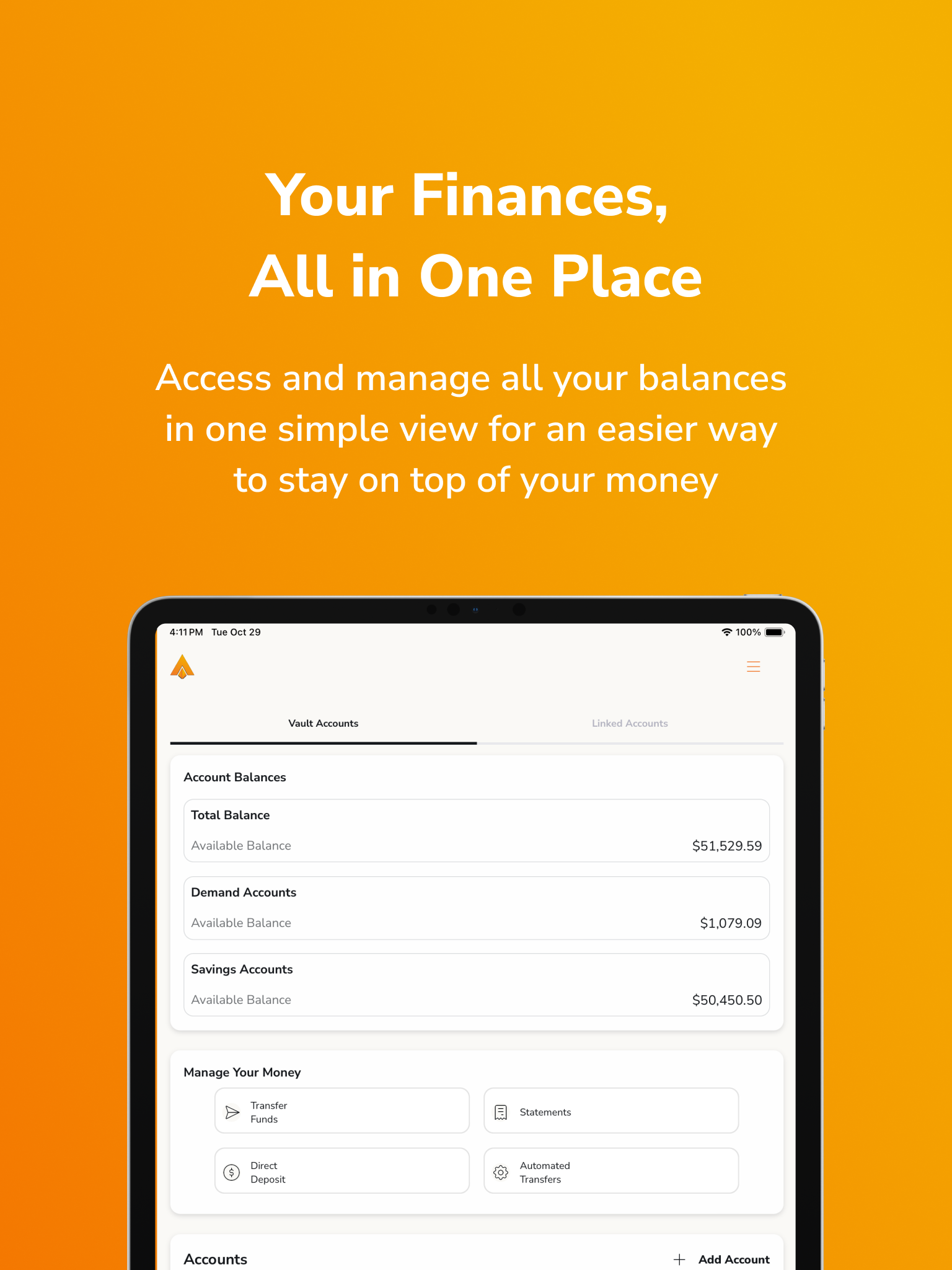
Budgeting apps, spending trackers, and financial management tools have made it easier than ever to monitor personal finances.
These tools provide valuable insights into:
- Spending habits
- Savings goals
- Debt reduction progress
- Cash flow management
However, technology alone cannot replace understanding.
The most effective financial tools are those that combine technology with education, helping users not only see their financial information but understand what it means and how to act on it.
What Organizations Can Do
Financial literacy isn't solely an individual responsibility. Organizations have an opportunity to help customers, employees, and communities make more informed decisions.
That means:
Prioritizing Education
Providing clear, accessible resources that explain financial concepts without unnecessary complexity.
Encouraging Good Financial Habits
Helping individuals build routines around budgeting, saving, and long-term planning.
Strengthening Fraud Awareness
Educating customers and employees on common scams and emerging threats.
Creating Trust Through Transparency
Making financial information easier to understand rather than harder to navigate.
Building a More Resilient Future
Financial literacy is about more than balancing a budget.
It's about empowering people to make informed decisions, protect themselves from fraud, and build confidence in an increasingly complex financial world.
At Vault, we believe education is a critical component of both financial wellness and cybersecurity. The more individuals understand how money, risk, and digital threats intersect, the better equipped they are to protect what matters most.
Because strong financial futures aren't built on information alone.
They're built on understanding.