
Cybersecurity Is Now Part of Financial Trust
Why protecting your information has become just as important as protecting your money.
For years, trust in a financial institution or advisor was built on sound advice, strong relationships, and a commitment to helping clients achieve their goals. Those fundamentals haven't changed—but today's digital world has added a new expectation: cybersecurity.
Whether you're managing your family's finances, running a business, or planning for retirement, your financial information is one of your most valuable assets. Protecting it is no longer just an IT responsibility behind the scenes. It's become an essential part of the financial relationship itself.
The New Reality: Financial Security Is Digital Security
Cybercriminals are becoming more sophisticated every year. Fraudsters use phishing emails, fake websites, social engineering, and account takeover attempts to target both financial institutions and their customers.
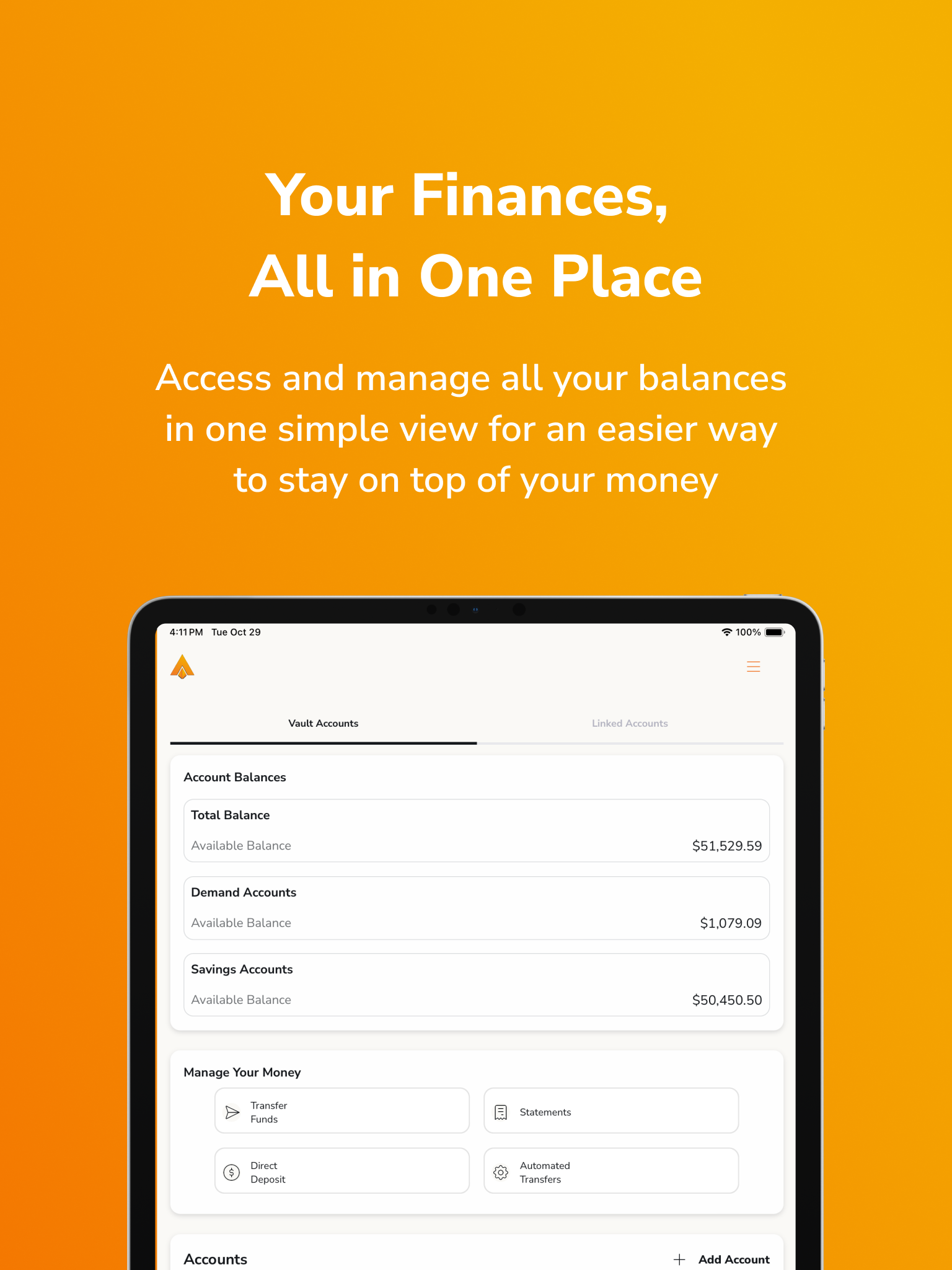
At the same time, banking and wealth management have become more digital than ever. Clients expect convenient online access, mobile banking, electronic document sharing, and virtual meetings. While these tools provide incredible convenience, they also create new opportunities for cyber threats.
This shift means financial institutions must do more than safeguard assets—they must also safeguard data, identities, and digital interactions.
Why Cybersecurity Matters to Clients
Many people assume cybersecurity is something handled entirely by their bank, advisor, or technology provider. While financial institutions play a critical role, cybersecurity is increasingly a shared responsibility.
Consider these common scenarios:
- A fraudulent email appears to come from your financial institution and asks you to verify account information.
- A cybercriminal gains access to a personal email account and attempts to reset financial passwords.
- Sensitive documents are sent through unsecured channels and intercepted.
- Personal information from another data breach is used to target financial accounts.
In each case, financial loss often begins with a cybersecurity event.
That's why clients today are asking new questions:
- How is my information protected?
- What safeguards are in place?
- How will I know if something suspicious occurs?
- What can I do to better protect myself?
These are important conversations—and they should be.
Cybersecurity Has Become Part of the Client Experience
Just as clients expect clear communication and personalized service, they now expect strong security practices.
Today's trusted financial relationships often include:
Secure Communication
Financial information should be shared through protected channels rather than unsecured email whenever possible.
Multi-Factor Authentication (MFA)
An additional verification step can significantly reduce the risk of unauthorized account access.
Ongoing Monitoring
Financial institutions increasingly monitor for unusual activity and emerging threats to identify issues before they become larger problems.
Security Education
Helping clients recognize scams and fraud attempts is becoming a routine part of client service.
What Clients Can Do Today
While institutions invest heavily in cybersecurity, there are several simple steps individuals can take to strengthen their own protection:
Use Strong, Unique Passwords
Avoid reusing passwords across multiple accounts. Consider using a password manager to keep credentials secure.
Enable Multi-Factor Authentication
Whenever available, turn on MFA for banking, email, and financial accounts.
Stay Alert for Phishing Attempts
Be cautious of unexpected emails, texts, or phone calls requesting personal or financial information.
Keep Devices Updated
Software updates often contain important security patches that protect against newly discovered vulnerabilities.
Verify Requests
If something seems unusual, contact your financial institution directly using a trusted phone number or website.
Building Confidence Through Security
Financial relationships have always been built on confidence. Clients trust their institutions to protect what matters most—their money, their goals, and their future.
Today, that trust extends beyond financial advice and account management. It includes confidence that personal information is protected, digital interactions are secure, and cybersecurity remains a top priority.
How Vault Helps Protect What Matters
At Vault, we believe cybersecurity is more than a technology issue—it's a trust issue.
Our approach focuses on helping organizations proactively identify risks, strengthen defenses, and create a safer digital environment for both businesses and their customers. Through continuous monitoring, security best practices, employee awareness, and proactive threat management, we help organizations stay ahead of evolving cyber threats.
Because in today's world, protecting financial assets starts with protecting digital assets.
Cybersecurity is no longer separate from the client relationship—it has become part of it. And as technology continues to evolve, the organizations that prioritize security will be the ones that earn and keep their clients' trust.